

Software development is going through a shift that happens once in a generation. Agentic AI tools cut delivery time for many tasks by a factor of 3 to 10. Companies that adapt early build lasting advantages in margin, scale and positioning. Those that don't will be repriced by AI-native competitors within 24 to 36 months.
For public-sector IT providers, this shift hits business-critical legacy systems in particular: little documentation, high risk, and modernisation that has always been slow and expensive. This is exactly where AI-native delivery rewrites the economics.
Why the next 18 months decide
Three structural changes are happening at the same time:
- The unit of production is shifting. The bottleneck is no longer writing code, but describing the intent precisely enough for an agent to execute it reliably. Senior engineers who break problems down and review the results become disproportionately valuable.
- Software economics are compressing. Generic applications can increasingly be built in days instead of months. The value concentrates on domain understanding, integration, compliance and accountability.
- Agentic work is replacing tool-assisted work. The progression from chat to assistants to agents and multi-agent systems changes who does what. Between teams that have understood this and those that still have it ahead of them, there is already a 3 to 10 times gap in productivity.
The problem for public-sector IT providers
For public-sector IT, the deadline is not a competitive advantage you can work towards. It is law. Whether to digitalise has been decided; only the pace is open:
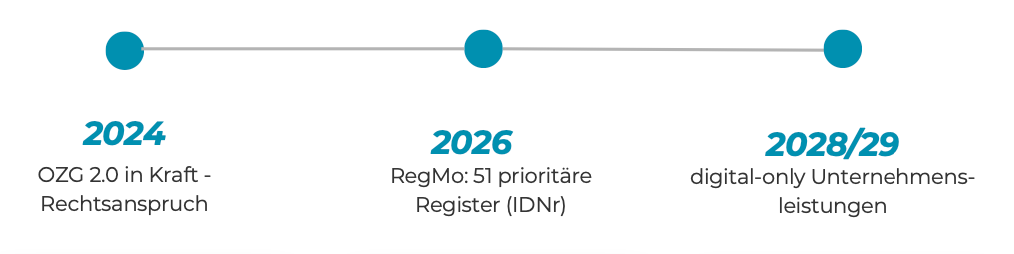
- By the end of 2026, 51 priority registers in Germany are to be connected to the identification number, more than 350 registers have to be linked and over 240 online services provided.
- The roughly 1 billion euros planned for consolidating federal IT became 3.5 billion euros, and the target year moved from 2025 to 2028. The delay itself drives the cost.
- Internationally, critical specialist applications have been running on COBOL and Assembler for up to 60 years. The knowledge is retiring, and agencies are already bringing retirees back.
Waiting is the most expensive option. Statutory deadlines make the backlog grow structurally, while the burden of implementation falls on the IT providers, on top of the hundreds of critical specialist applications they run in parallel anyway.
Three bottlenecks at once: pace, budget, skilled staff
About half of large public-sector IT projects overrun their schedule. Around 80 percent of public IT budgets go into simply running legacy systems, well above the industry average. And by 2030, 140,000 IT professionals will be missing, with over 1.3 million retirements and an average of 7.7 months to fill a position.
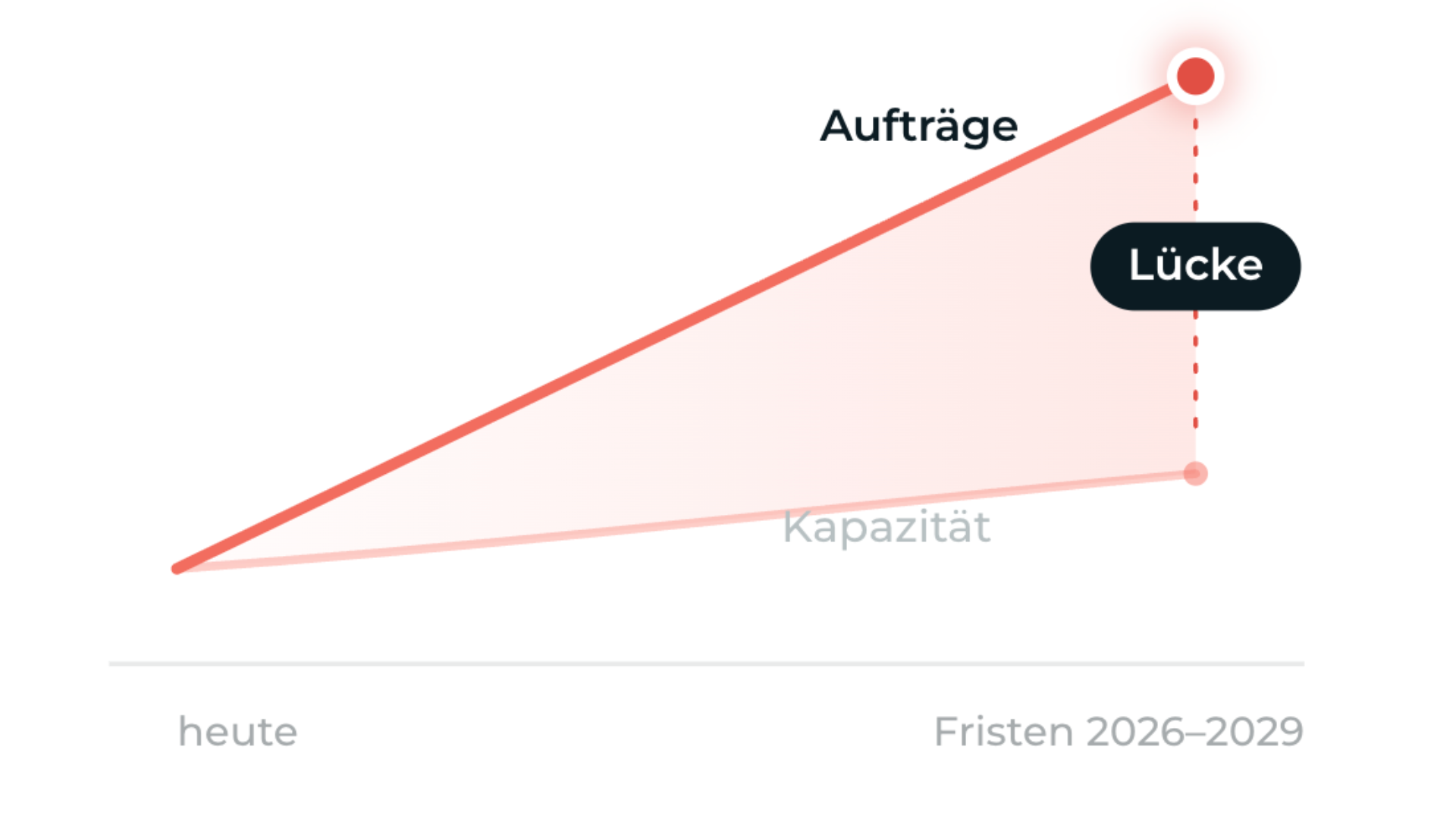
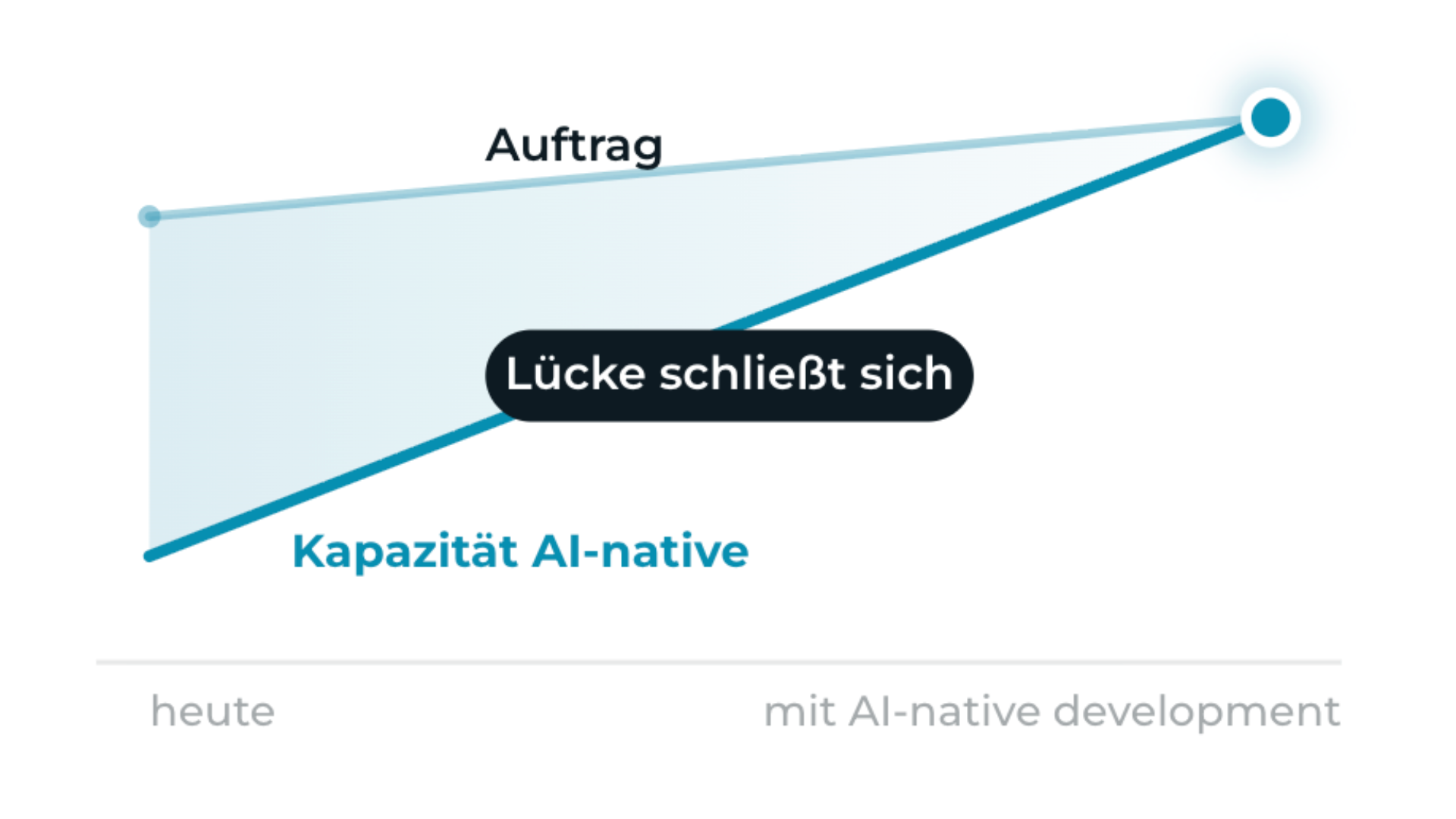
"More resources" are simply not available on the market. The gap keeps growing as long as the way of working stays the same. The solution lies in a different kind of capacity: capacity that works AI-native, through existing procurement routes and framework agreements, without a new procurement model.
The AI Maturity Stages: maturity instead of claims
"AI-first" is a label many use but few can prove. To bring clarity, & developed the AI Maturity Stages: five stages that describe how a team moves from using individual AI tools to fully agent-native work.
The stages grew out of &'s own journey. Today & operates at stage 3, while stage 4 is running in an internal pilot. The real question for any software partner is therefore not whether they call themselves AI-first, but which stage they can demonstrate.

Where AI pays off along the development cycle
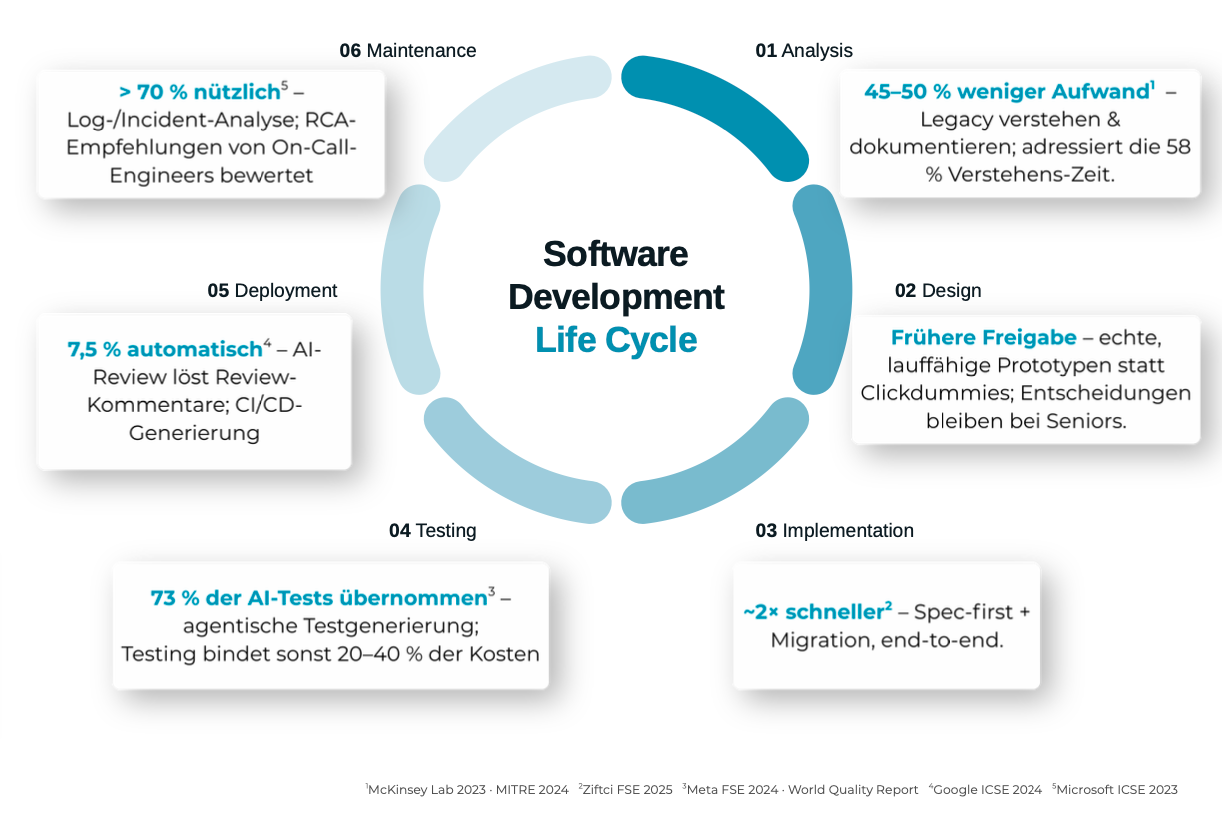
AI-driven performance gains show up at every level of the software development life cycle, from analysis and design through implementation and testing to deployment and maintenance. The underlying figures are evidence-based and come from real performance data in several studies, including McKinsey, MITRE, Meta and Google.
Case study: a 20-year-old core system replaced in 27 working days
A company ran central business processes on a 20-year-old desktop application, with no audit log, manual data transfers and no tamper-proof storage.
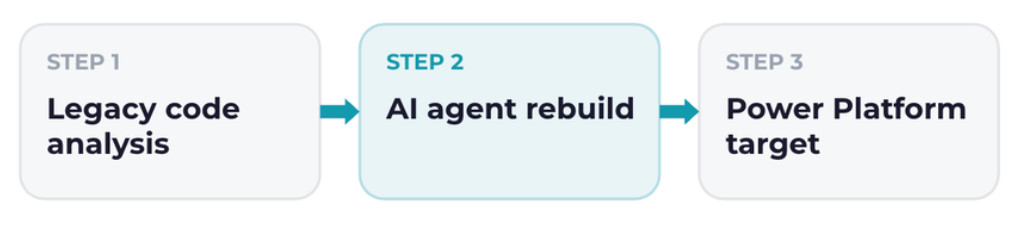
Instead of a conventional modernisation approach, & chose an AI-native route: an AI coding agent, equipped with a purpose-built delivery harness, analysed the legacy source code and rebuilt the application on the Microsoft Power Platform.
The result:
- A working MVP after 2 days, the full legacy replacement after 27 working days.
- About 70 percent lower cost and about 90 percent faster than typical modernisation projects of this size.
- Fully automated and audit-ready: system postings, audit log, tamper-proof documents and self-service Power BI, plus a reusable AI agent with a knowledge base, handed over to the client.
We advise on what we build ourselves
& does not advise from theory. We built our own AI coworkers, used them in real legacy modernisation and measured what actually pays off. That makes our recommendations evidence-based instead of promises. Today we help organisations in energy supply, the public sector and banking take exactly this step, from a few hundred employees to large corporations.
Book a free 20-minute check with & and identify the biggest lever in your software life cycle.

Explore Our Latest Insights
Stay updated with our expert articles and tips.





Discuss Your Web Development Project with Our Experts Today.
Discover how our tailored web development solutions can elevate your business to new heights.
Stay Connected with Us
Follow us on social media for the latest insights and updates in the tech industry.