

Andreas Wittmann, Co-Founder of &, on one of the most overused words in the software industry right now: AI-native.
"AI-native" is on everyone's lips, but hardly anyone can say what is behind it. Wittmann explains what working AI-native means at & in practice: where the company stands today, how the AI Maturity Stages framework came about, and why every stage is first taken internally before it is recommended to clients.
What are the AI Maturity Stages?
"AI-first" has become a label that almost every company now claims for itself, but hardly anyone can prove it. That is exactly why & developed its own framework, the AI Maturity Stages: five stages, from stage 0 with no use of AI at all to stage 4, where fully autonomous departments consist of AI agents. The question the framework answers is simple but uncomfortable: where does a company really stand when it comes to using AI?
This gap between claim and reality runs through the whole conversation with Co-Founder Andreas Wittmann.

Why did & build its AI agents itself?
That & built its AI agents itself instead of buying ready-made tools is not a question of positioning for Wittmann, but a basic attitude:
"For us engineers, it is in our nature to understand the things we use. Especially before we recommend them to others."
That does not mean reinventing the wheel. But anyone who blindly maps the core processes of their company onto existing market solutions becomes fully dependent on AI vendors and ends up using the same tools as everyone else. Wittmann is convinced there is no shortcut here: every stage of the AI Maturity Stages has to be gone through, otherwise the basis for understanding the next one is missing.
At & itself, this currently means stage 3. The team works with fully autonomous AI coworkers that are orchestrated by people, whose output is checked and turned into final results. An internal pilot for stage 4, in which agents work together in a team and ask humans for support when needed, is already running.
Many companies that call themselves AI-first today lack this honesty with themselves. According to Wittmann, most of them sit between stage 1 and 2 when their actual way of working is placed on the AI Maturity Stages. Stage 1 means using existing tools that now come with additional AI features. Stage 2 means a real shift: your own way of working changes because AI makes you faster and more efficient, and that takes the willingness to allow this change in the first place.
Why is demand for AI-native legacy modernization rising?
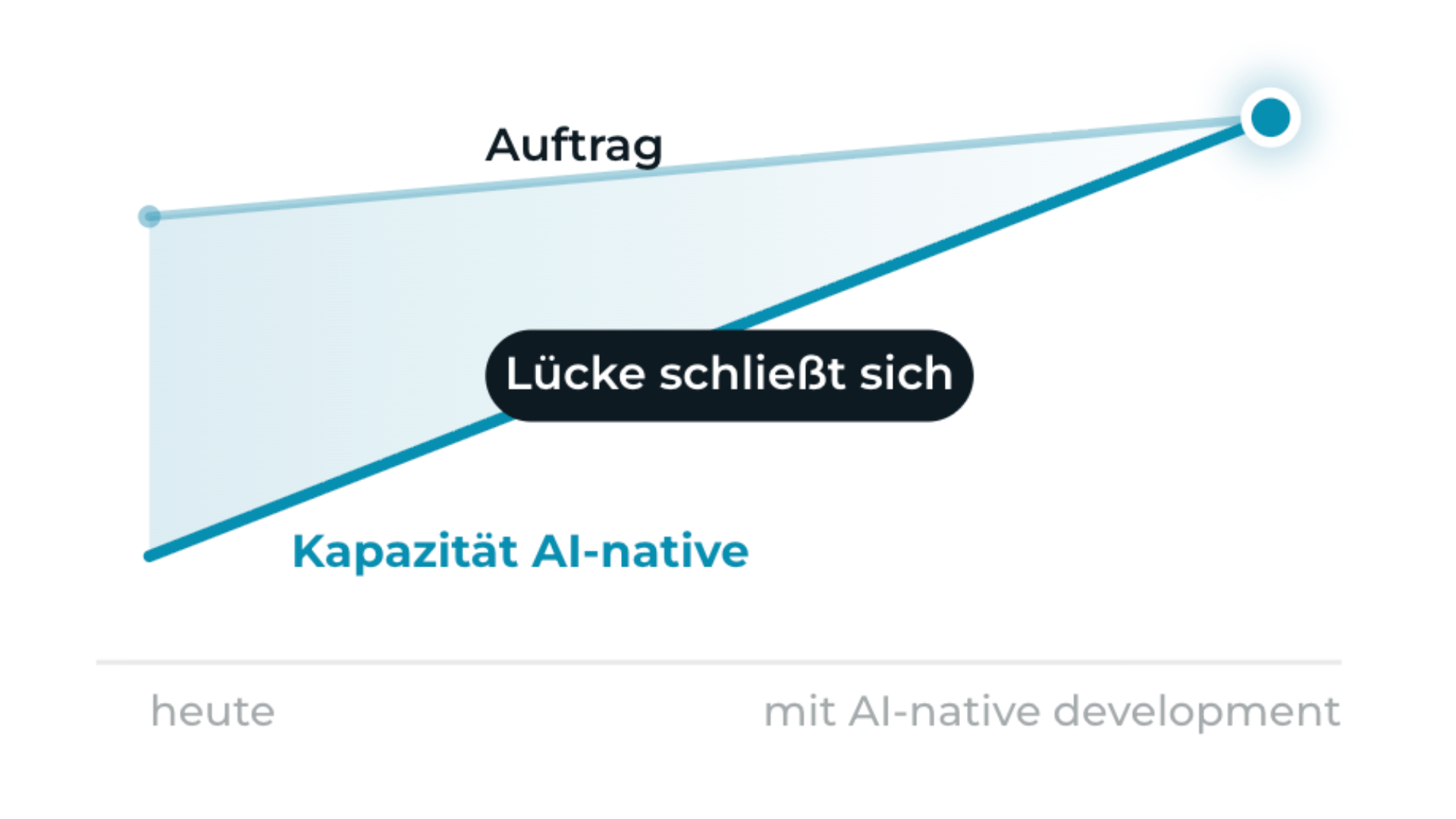
& has completely reorganized over the last year how the team does software development and wants to do it in the future. Sharing these learnings openly creates exactly the demand the company is seeing now: from public clients, authorities and agencies to mid-sized companies and large enterprises. As a relatively small company, & can stay agile, question processes and try things out. That is an advantage larger companies rarely have.
The need behind it is usually the same: classic problems for which AI now offers a better or different solution. In the public sector, this problem is especially tangible, says Wittmann:
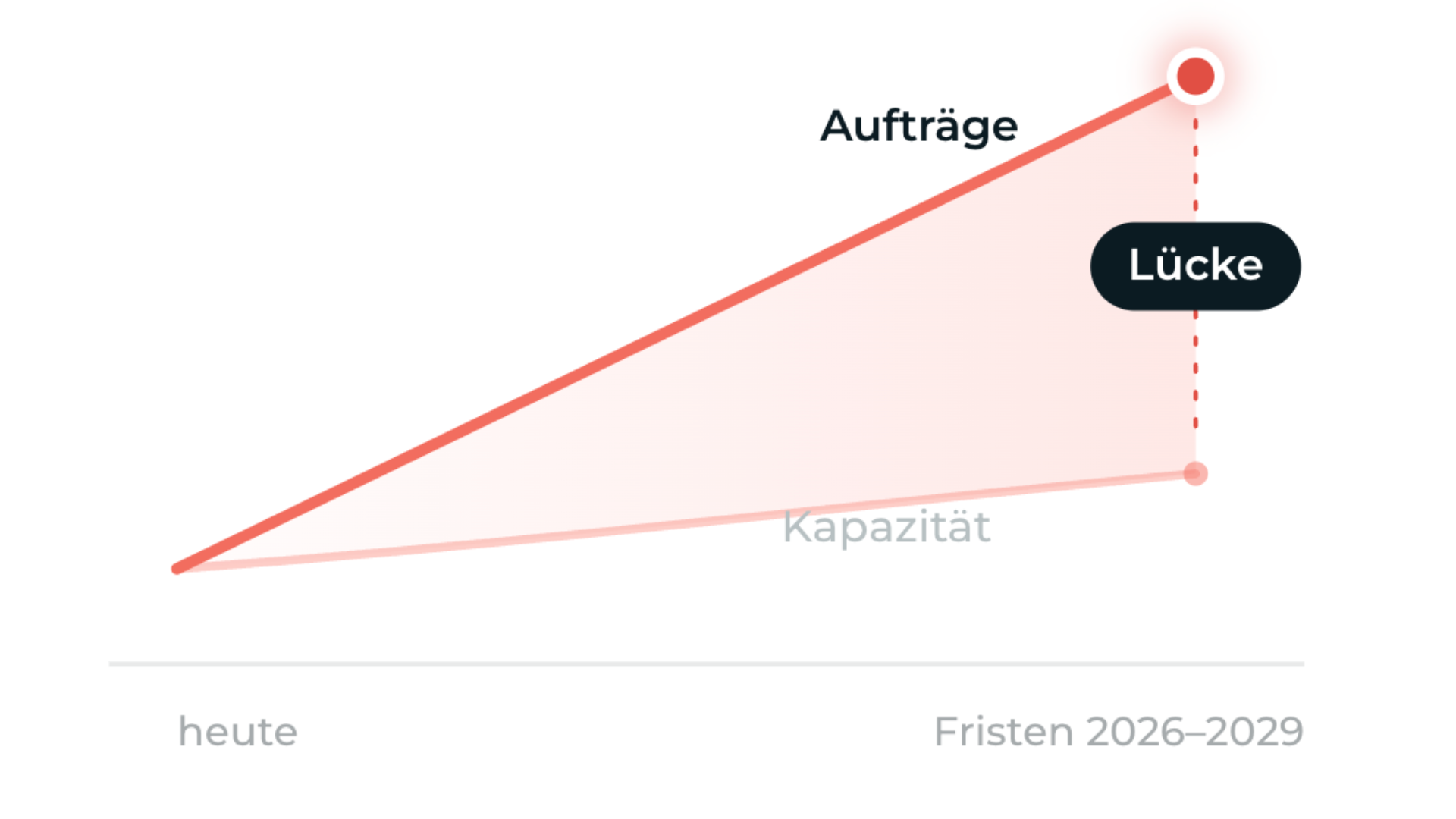
"50 percent of the IT budget currently goes into pure operation and maintenance of legacy applications, and it grows every year. [...] We need other solutions than just working more."
Experienced specialists retire and take their knowledge with them, new ones do not follow in sufficient numbers, while statutory digitalization deadlines move closer.
How does & use AI in software development in concrete terms?
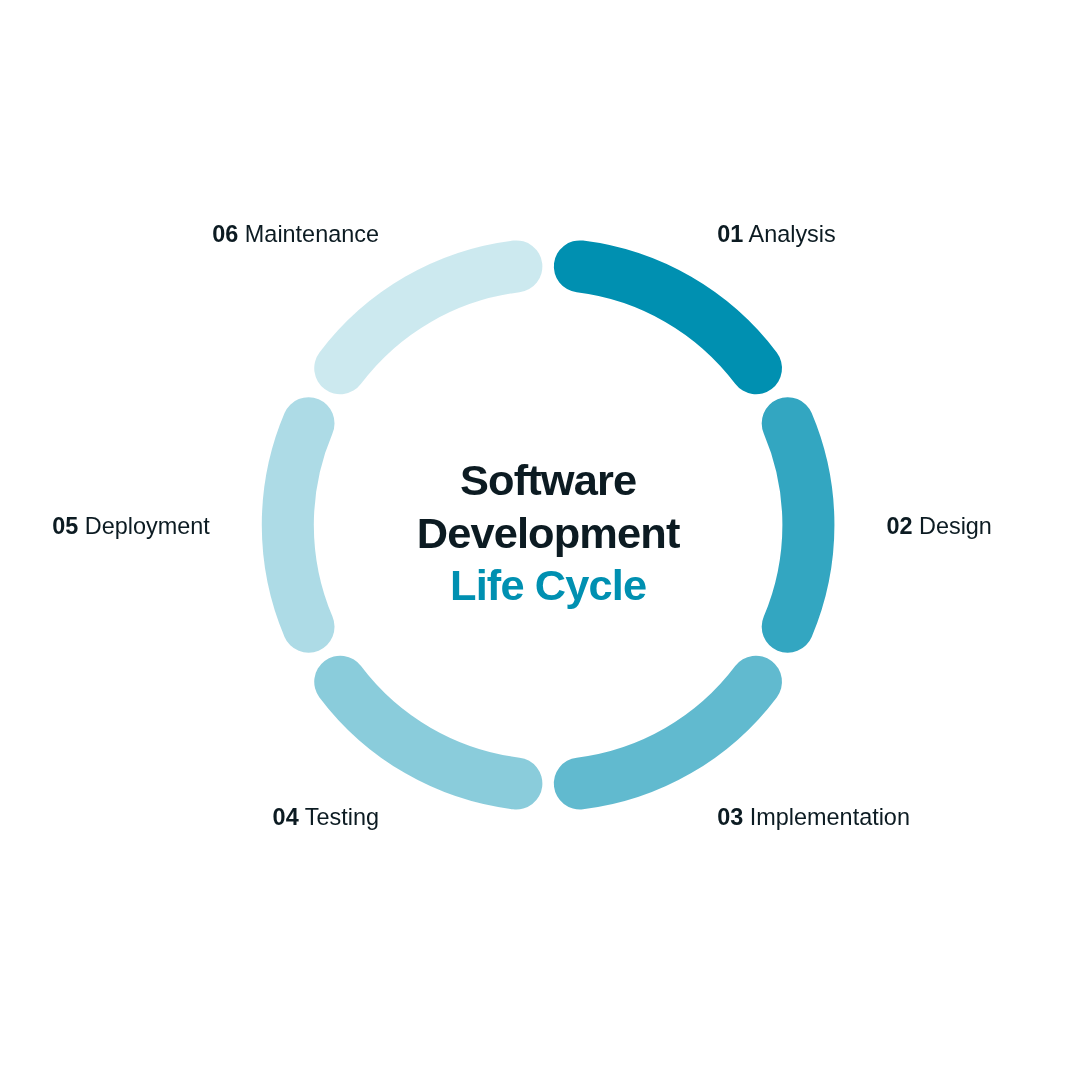
There is no one-size-fits-all solution at &. Instead, every problem is looked at individually: wherever the biggest lever in a company's software development lifecycle lies, that is where the work starts. Some clients have bottlenecks in requirements analysis, others in implementation, others in maintenance. Because & has played through these use cases in its own projects, the team knows where AI really pays off and starts exactly there, phase by phase.
The difference to consultancies and generic AI offerings
What has set & apart from large consultancies for years, according to Wittmann, is the focus: software engineers who actually build applications instead of producing PowerPoint slides. That now applies to the use of AI as well. & has been doing legacy modernization for years; AI speeds this work up today, but it would also be possible without AI. This is exactly where Wittmann draws the line to many competitors:
"Other consultancies that are now starting to work with AI and say that software can now be built without software developers are, I believe, not on the right track."
If you want to know where your company stands on the AI Maturity Stages, or how your legacy systems can be modernized AI-native, get in touch with us.

Explore Our Latest Insights
Stay updated with our expert articles and tips.




Discuss Your Web Development Project with Our Experts Today.
Discover how our tailored web development solutions can elevate your business to new heights.
Stay Connected with Us
Follow us on social media for the latest insights and updates in the tech industry.