
Public Sector
Software for the public sector operates under constraints most private enterprises rarely face in combination: complex procedures that must work reliably for millions. Services with minimal tolerance for failure, where applications and administrative workflows are critical. High demands on data protection, with data distributed across different authorities and states. Strict compliance requirements. And legacy systems that cannot simply be shut down.
Modernize your procedures within these constraints. Reliably, scalably, and with full control over your data and systems.
Key Modernization Considerations for Your Business
of an average public sector IT budget in Germany flows into operations and maintenance of existing systems instead of modernization.
reduction in processing time is possible for central administrative services when government data is networked throughout and interoperable.
of tested public sector websites in Germany meet legal accessibility requirements. Of 188 websites examined by the federal monitoring body BFIT-Bund, only one essentially passed the requirements.
Transform Administration into a Service People Want to Use.
Think procedures end-to-end: from application to payment. With local infrastructure, fault-tolerant data processing, and full control over sensitive data. This is how you reliably reach everyone who needs your service.




Solutions Driven by Certified Excellence
We translate cutting-edge cloud expertise into real-world solutions that accelerate your business.









Case Studies
See how our partnership with clients transformed their ambitious concepts into market-ready, successful software solutions.
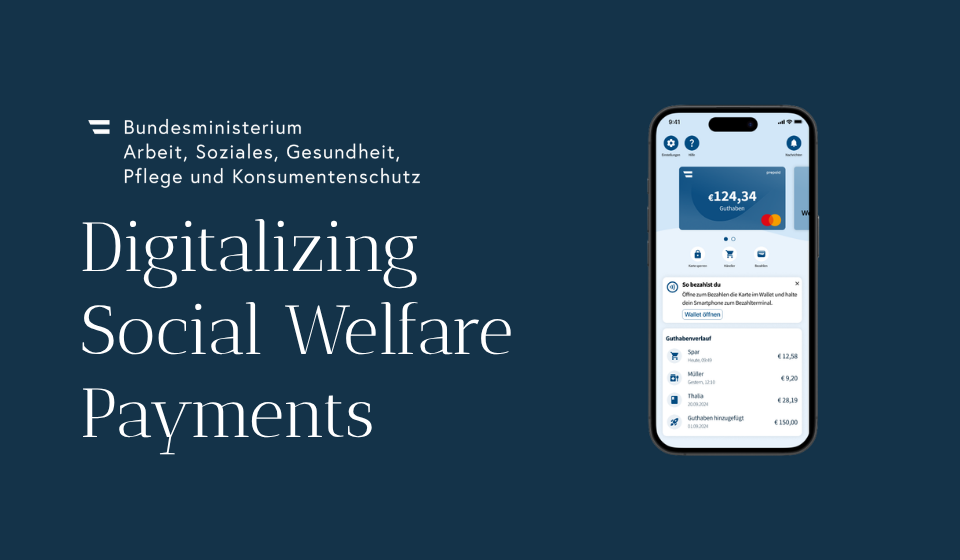
Schulstart
A case study on transforming analogue payouts into a highly secure, cloud-native system featuring Apple Wallet integration and a biometric KYC process.
Oberbank
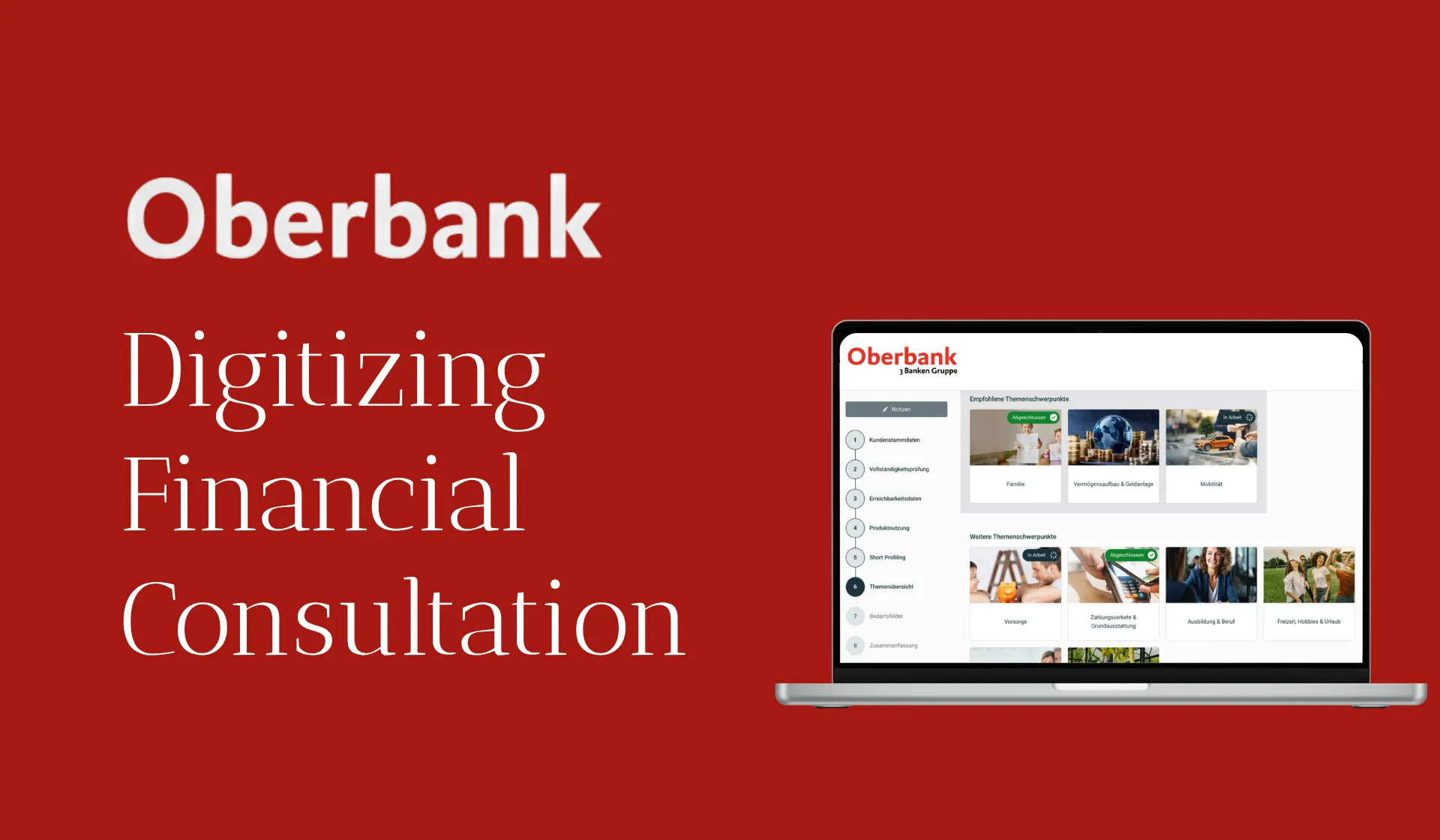
In just six months, & transformed Oberbank’s legacy workflows into a modern, interactive consultation experience. By shifting from unstructured notes to a smart web application, the new system turns documentation into a strategic tool with quantifiable results. Discover how pragmatic architecture can bridge the gap between core systems and modern UX.
froots
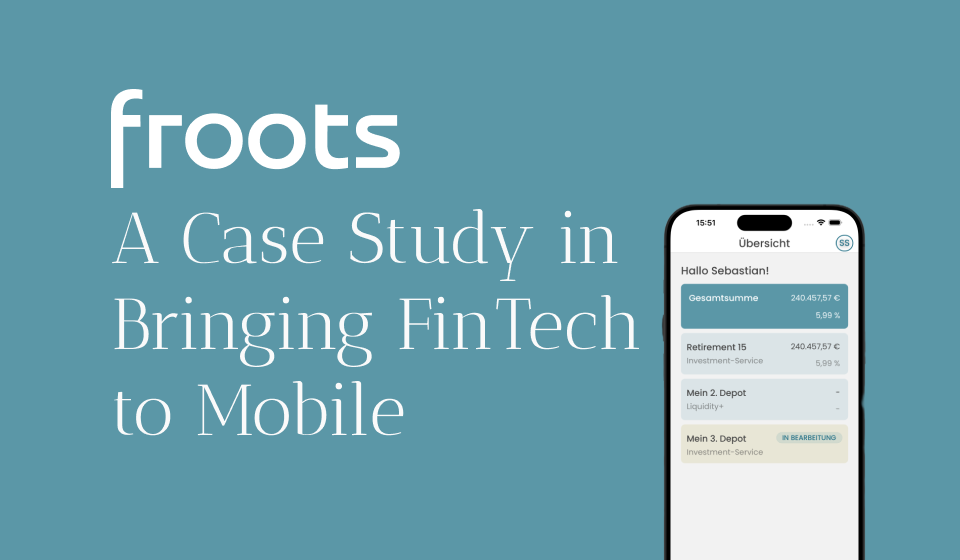
Based in Vienna, froots is an independent wealth management service offering active portfolio management and bespoke investment solutions. & was instrumental in extending the froots experience to mobile, leveraging a hybrid-native development strategy.
Latest Insights and Trends








Ready to Build Public Services That Reach All Citizens?
Modernize within your institution's constraints. We build software for the public sector that factors in everything from budgets to legacy systems to compliance.
FAQs
Answers to the most important questions about our work in the public sector.
We are experienced in working within public procurement frameworks, audit requirements, and EU reporting standards. Compliance is part of our architecture from day one: reporting obligations, data protection, and auditability are built directly into data models and system design. This way, audits and controls don't create rework because the evidence is already in the system.
Yes, that is actually the norm for us, especially when budget and in-house IT staff are insufficient for a complete rebuild. Using domain-driven design, we analyze which parts of your system landscape are truly central and which you can replace or outsource, then wrap legacy systems in modern interfaces. Your services stay live the whole time while the architecture underneath improves, and you create the foundation for AI-assisted development to actually deliver value later.
We use AI where it accelerates development and makes services more accessible, such as in automated data migration or voice interfaces for citizens with limited digital experience. In the public sector, it is especially important that every use case remains explainable and auditable. That is why we rely on transparent, documented decision paths rather than black-box models, especially where decisions directly affect citizens.
Your core systems stay independent from external vendors and data sources. We build open, standards-based interfaces that let you bind authorities, funding organizations, and research institutions once instead of developing a custom solution for each new connection. This reduces dependencies and meets compliance requirements through architecture.
Accessibility is part of the first prototype, not added later. Your software meets BITV 2.0 and WCAG 2.1 AA standards from day one: with keyboard operation, screen reader compatibility, and clear language. Inclusive design is not nice-to-have, it is the foundation that makes your service truly workable for millions of people and excludes no one.
Still have questions?
We're here to help you!